
Katie and I are now moving to our Week 6 workouts. We plan to run approximately 4 times this week because we only have 18 days left until the 5 km race. We ran approximately 2.2- 2.5 miles (or 3.5-4 km) during each workout last week and we plan to continue running a similar distance and duration on this week’s runs. Additionally, we plan to eliminate walking during our runs this week. The week 6 workouts are outlined below:
|
Workout 1 – 27 minutes |
Workout 2- 30 minutes |
Workout 3- 30 minutes |
Workout 4 -30 minutes |
|
Brisk five-minute warm up walk, then jog 22 minutes with no walking. |
Brisk five-minute warm up walk, then jog 2.5 miles (or 25 minutes). |
Brisk five-minute warm up walk, then jog 2.5 miles (or 25 minutes). |
Brisk five-minute warm up walk, then jog 2.5 miles (or 25 minutes). |
What Should I do before my Run?
 I thought an important running tip this week would be how to begin your run. Should I stretch? What do I do before my run? Before you run, you do not necessarily need to stretch. The beginning of your run should be spent warming up, while the closing minutes should be spent cooling down. Roberts (2013) mentions that newer data does not support stretching before your run. Instead, it is suggested that you spend this time warming up or strength training to help reduce injury. This is why I have outlined the 5 minute brisk warm up walk before all the workouts.
References:
Burfoot, A. (n.d.). The 8-week beginner’s program. Retrieved from http://www.runnersworld.com/beginners/the-8-week-beginners-program?page=single
Clark, J. (n.d.). The couch-to-5km running plan. Retrieved fromhttp://www.coolrunning.com/engine/2/2_3/181.shtml
Roberts, W. (2013). Should I stretch before my runs?. Retrieved from http://www.runnersworld.com/stretching/should-i-stretch-my-runs
Image source: http://www.sxc.hu

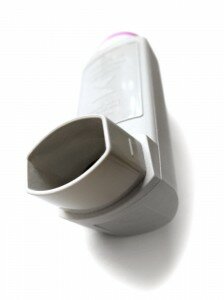 Additionally, this week Katie was diagnosed with exercise induced asthma. She described the Asthma while running as the feeling of something heavy sitting on her chest. Exercise Induced Asthma occurs when a person’s airways tighten and produce additional mucus (“Exercised-induced asthma”). Exercise can be a trigger but it doesn’t mean that you cannot exercise (“Exercised-induced asthma”). Katie’s doctor provided her with the proper medication to treat this condition. Understanding and treating her Asthma will assist her with reaching her goals. I am glad she found out about this condition early in our running program. Running will likely be easier now that she has it under control.